“Each person’s workout is really different. It’s tailored to be what’s most needed for them. Everybody’s different.” - Jayson Tatum
If you walked into my house looking for a home gym, you'd be disappointed.
There's no rack. No bench. No rubber flooring, no machines with cables and pulleys. If that's what you're picturing when you hear "home gym," I don't have one, and I never will.
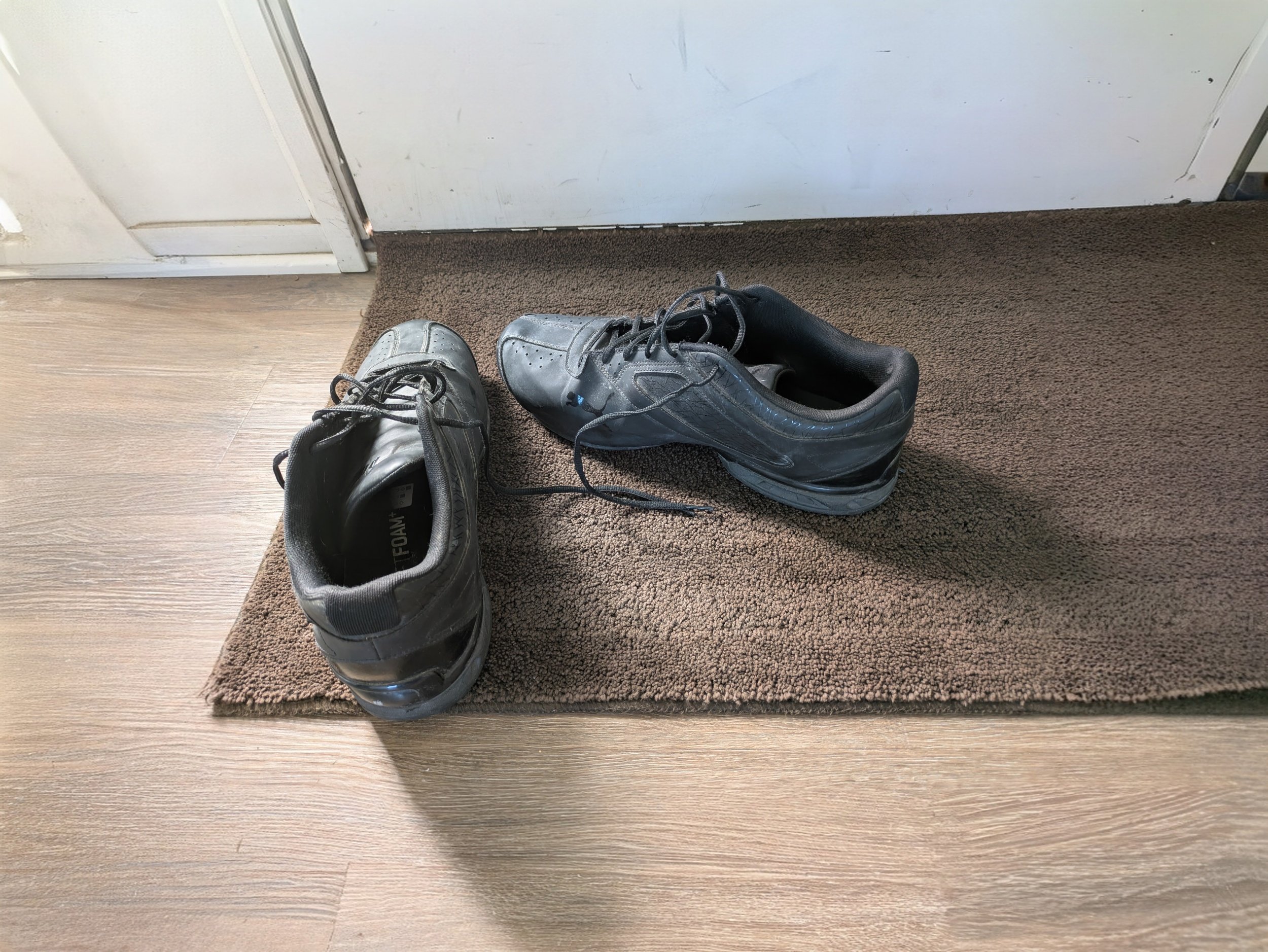
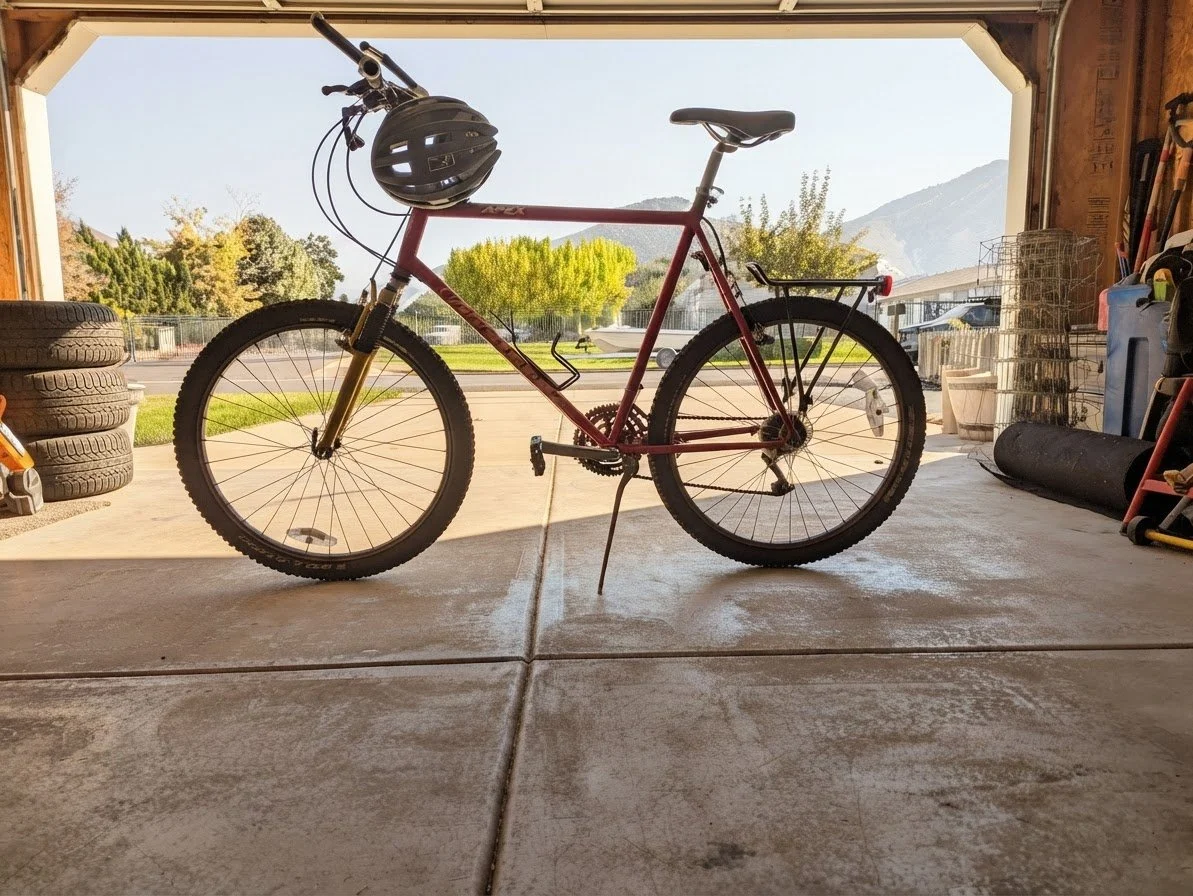
What I've got is a corner of a room and some dumbbells lined up against the wall. Resistance bands hanging off a door. A bike in the garage. A weighted vest. And a pair of old sneakers by the door, because a lot of my exercise happens outside, up and down my neighborhood and in a park near my home.
That's it. That's the whole setup. My "gym" is mostly a habit, not a room.
I'm telling you this up front because I think it's the most important thing in this post. Before I started this experiment years ago, I was convinced I needed a gym. A real one, with equipment and other people and a reason to drive somewhere. Back then, it was the gym or nothing. So I didn't exercise for years.
I was wrong. The gym wasn't what I needed. For me, the gym was an impediment. All I needed were a few things I could use at home, a routine I was willing to stick with, and my own reasons to exercise that were bigger than looking good in a mirror.
What you'll find in this post is exactly what I own and what I use each piece of equipment for. Not because you need to buy the same things — you don't — but because I remember how overwhelming it all seemed when I was starting. Everything I read wanted me to buy something. Nobody ever told me what I didn’t need.
So let me be the one who tells you.
What My Setup Actually Looks Like
It's a couple of corners of my home. That's the whole thing.
The dumbbells sit on the floor against the wall. The resistance bands hang off a door in a room I'm in often, so I walk past them constantly.
The bike lives in the garage. When the weather's decent, I'd rather ride it outside. Riding a stationary bike while staring at a wall or a TV makes me crazy.
And a big chunk of my exercise doesn't happen in the house at all. I'm lucky to have a park next to my house, so I throw on my old sneakers, and away I go. It beats the hell out of walking on a treadmill.
When I say "home gym," I mean a nook here and there in the house, some basic equipment I've collected over the years, and a habit of walking out the front door. No room of its own. No money spent on the space.
That's what this post is about — not what you should buy, but what actually gets used.
The Dumbbells I Use (and Why I Own Four Sizes)
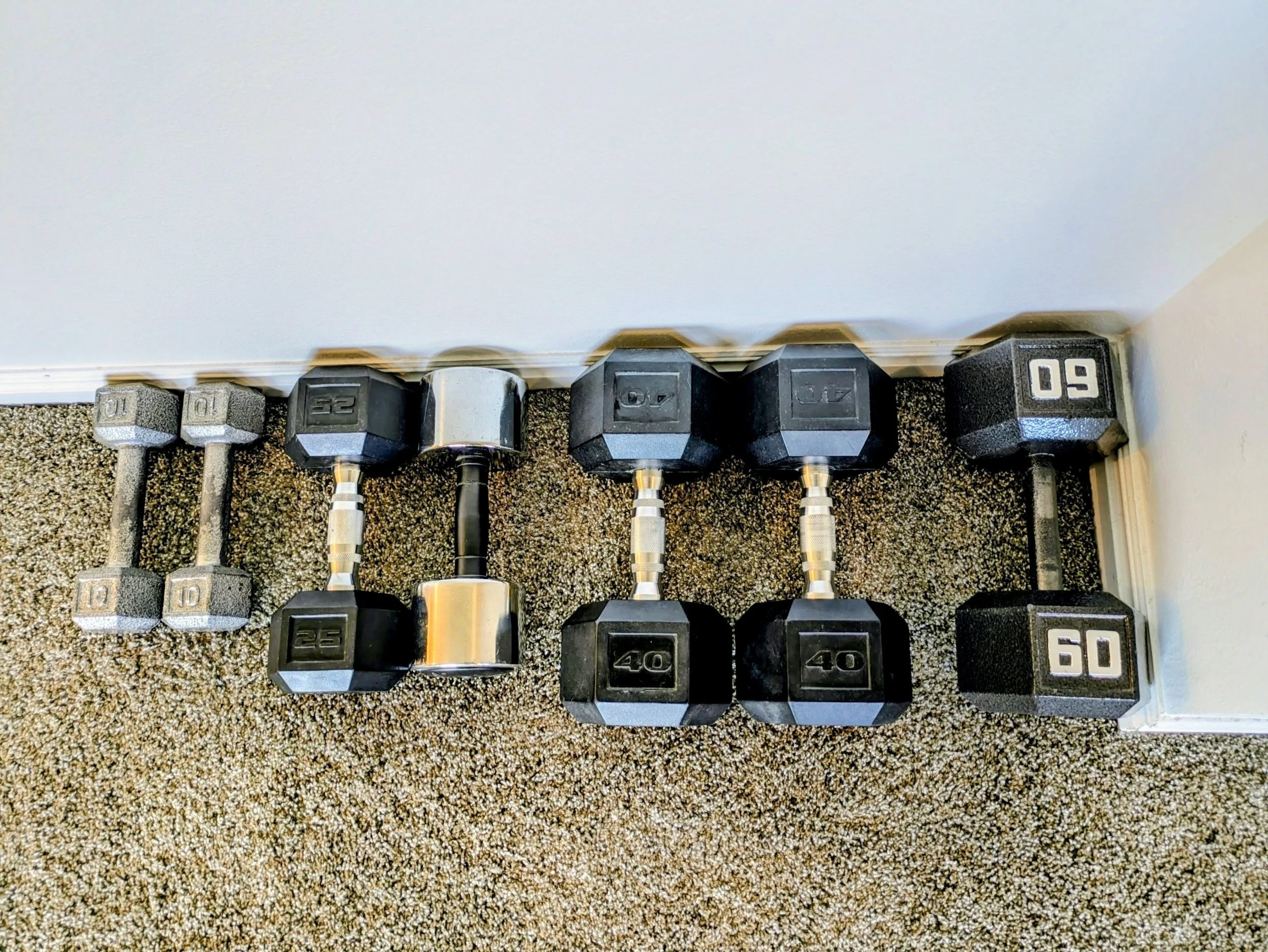
I own two ten-pound dumbbells, two twenty-five-pounders, two forty-pounders, and one sixty-pounder. I didn't buy them all at once because I didn't know yet what I'd need. The first ones I bought were the tens and the twenty-fives. I knew the twenty-fives would be my workhorses — a good utility weight I can do a lot of exercises with. I picked up the tens shortly after, because I needed something lighter to warm up with and to use in a drop set. I'll explain drop sets in a bit.
After a while, I bought the forty-pounders. Two reasons: I wanted something I could use for deadlifts, and I needed a little more weight for curls as the twenty-fives got easier.
A few months later, I bought the sixty-pounder. Why just one? Because I wanted it specifically for an exercise called the one-arm bent-over row, for my back. It also works well as a drop-set weight after the two forty-pounders when I'm deadlifting.
So, what's a drop set? It's a way to keep the muscle you're working under tension longer. Say I'm curling the forty-pounders. I do as many reps as I can with good form, then — with no rest — I immediately pick up a lighter pair, my twenty-fives, and keep going until I can't do any more. If I’m using my 25s to start, I’ll drop down to my 10s to finish.
Time under tension is the best way I know to strengthen a muscle.
Dumbbell table
WEIGHT WHAT I USE IT FOR
10lb Warm-ups, Shoulders, High-rep work, Drop set after the 25s
25lb My Workhorse, most main lifts, Curls, Skull crushers, Kickbacks, Drop set after the 40s
40lb Legs, Rows, Deadlifts, Curls, Drop set after the 60
60lb Squats, Bent-over rows, Deadlifts
If you can do 12 to 15 reps with good form, it's time to go up in weight. By good form, I mean controlling the weight — slow and smooth, without swinging or jerking.
If you decide to buy dumbbells, great. They're an invaluable tool to have on hand. But you don't need to buy a bunch at once, and you don't need every weight in between. Instead of buying 10s, 15s, 20s, and so on, it's fine to space them roughly ten or fifteen pounds apart.
I don't remember exactly what I paid for each set, but I remember thinking, wow, they're proud of these things. And the heavier they get, the more expensive they get. That's another reason I only bought a pair here and there.
One thing I’d suggest before buying new like I did: check marketplace listings and second-hand sites. Dumbbells are just a big ol’ chunk of metal. They don’t wear out. It doesn’t matter if they are a little scuffed up; they all work the same.
If you're not ready to spend a lot on dumbbells, I get it. In that case, resistance bands are a good option.
The Resistance Bands: Start Here If You're Not Sure
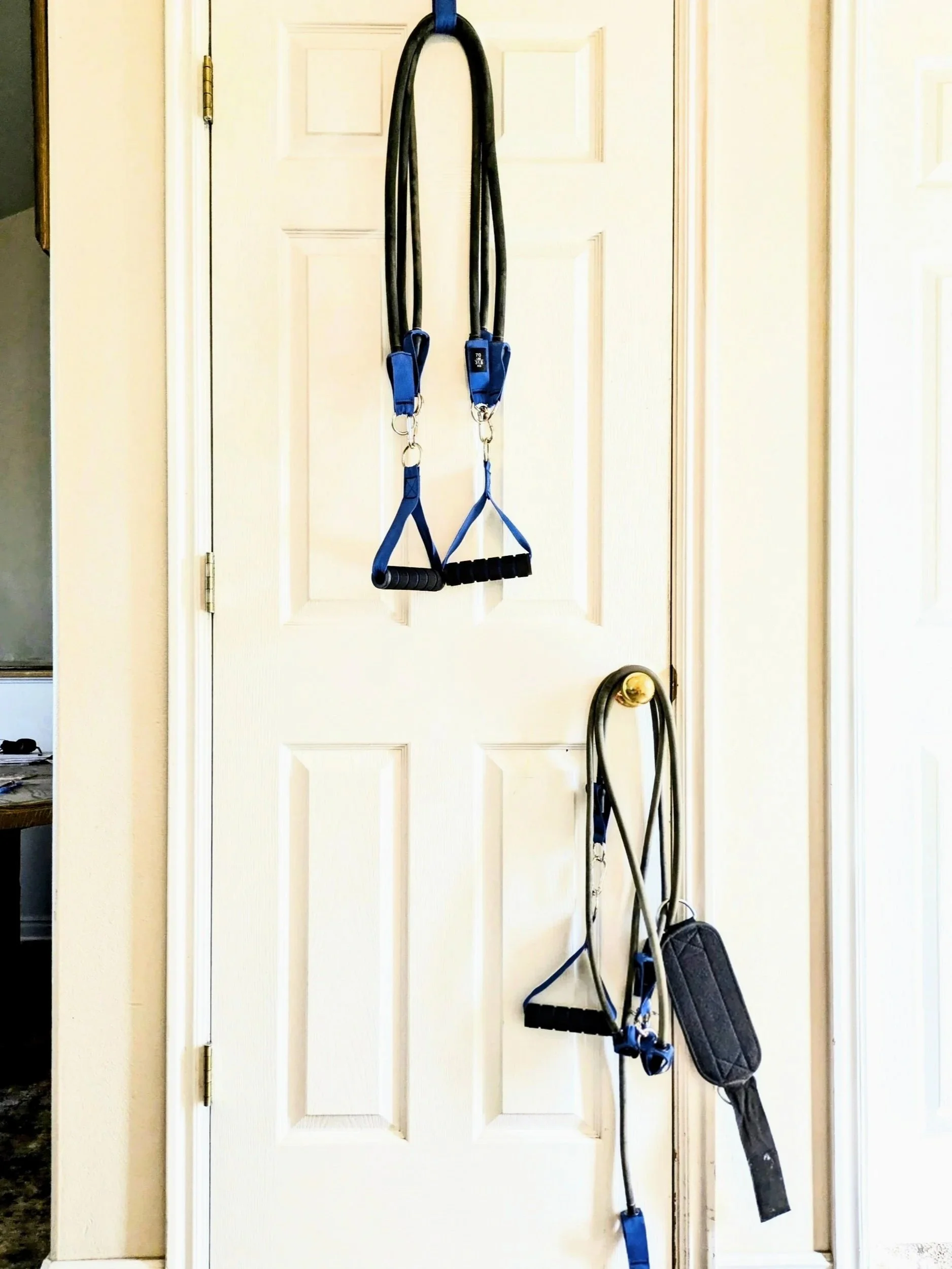
I bought resistance bands for a couple of reasons: I needed something to work my hamstrings, and I wanted something besides push-ups for my chest.
Legs and chest have always been two of my biggest weaknesses. Having a couple of more ways to work those muscles was worth the purchase.
I hesitated for a while because I suspected they'd have limitations. I was right. Bands aren't as good as dumbbells, in my opinion. They're more time-consuming to change tension, and the resistance is lighter at the start of the movement than at the end. But they're still a good tool to have.
My favorite band exercise is chest flys. I hang the band on a door and do them like I would on one of those expensive cable machines. They're surprisingly effective, and they pair well with push-ups. I also use bands for leg curls, anchoring one end to a table and the other to my ankle — a muscle group that would be hard to work at home without bands.
I use bands for my shoulders too. My doctor gave me rehab exercises for my bad shoulders, and bands have been genuinely helpful for strengthening the muscles around those joints. If they delay or eliminate shoulder surgery down the road, that's worth far more than the hundred bucks I spent.
That's the thing about bands — they're useful for specific exercises, and they're also a relatively cheap way to get started with a lot of different movements.
One suggestion: buy a good, heavy-duty set. I got mine on Amazon for under a hundred dollars, and they've held up for two or three years. What you don't want is a cheap set you can find at your grocery store. You'll end up spending more when you replace them every few months.
The Weighted Vest: My Most Underrated Piece of equipment
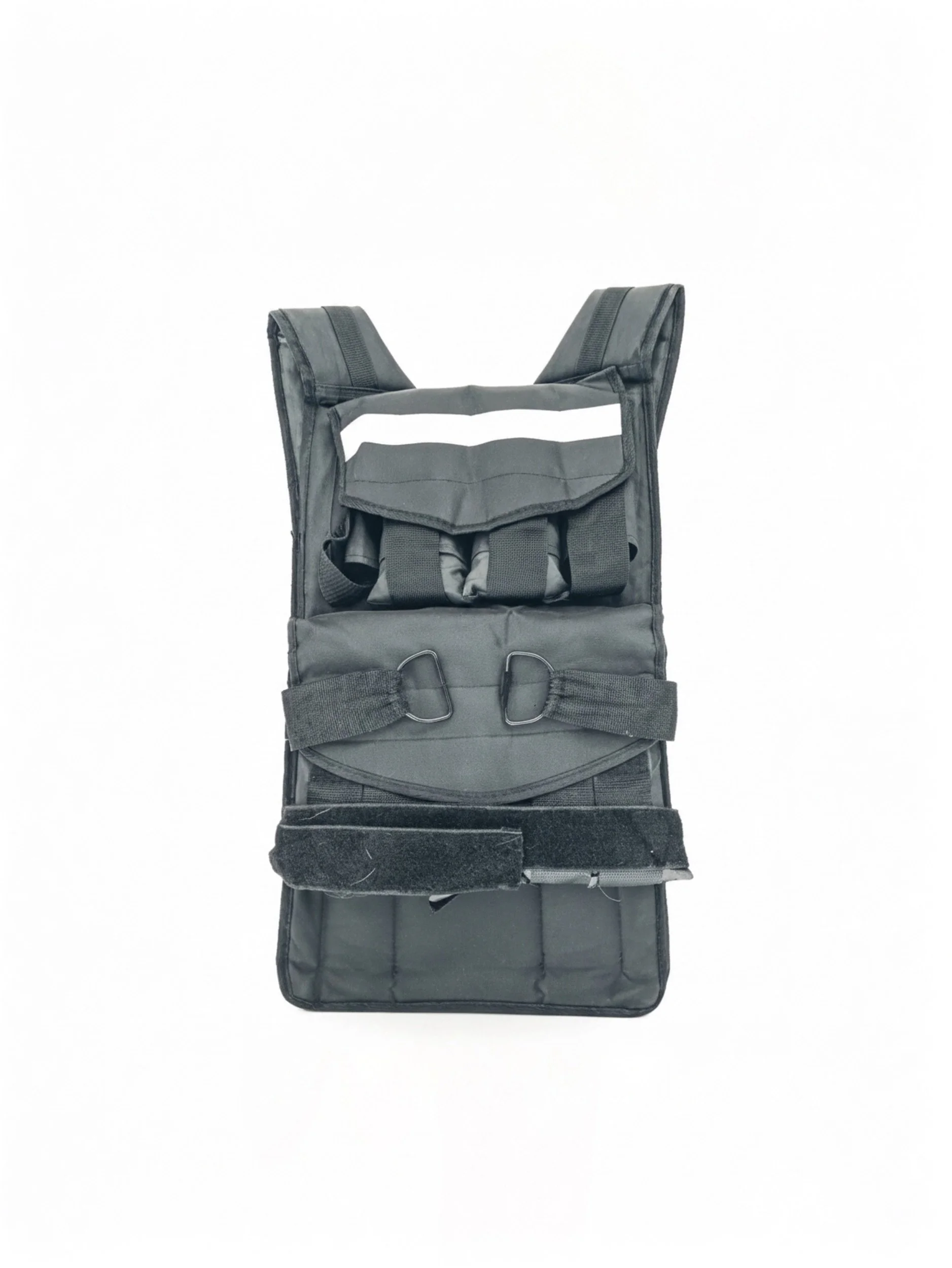
So what is a weighted vest? It's a vest you put on with small compartments for adding weight. Mine goes in five-pound increments, up to eighty pounds.
This piece of equipment ended up being more useful than I imagined.
Initially, I bought it just to add a little weight to my push-ups. Before the vest, I was trying to do push-ups with a twenty-five-pound dumbbell balanced on my back. As you can imagine, that didn't work well at all.
The vest made it much easier.
Later, I realized how versatile it was. I started using it for squats and lunges, and it gives my legs and glutes a little extra something when I'm out walking in the park.
I think I paid about eighty bucks for mine. It's a good quality vest, and I know there are cheaper versions with less weight than the one I have.
As pleasantly surprised as I've been with it, I'd still suggest holding off on buying one. It's a later purchase in my mind. You can start with a backpack filled with books or whatever else you have around — that'll add weight to your exercise for nothing
The Bike: Exercise That Doesn't Hurt My Knees
This is by far my favorite piece of equipment. Mine was a lovely gift from a friend. I started riding because I knew it would be a great workout for my legs. What I didn't realize was how enjoyable it would be. I hadn't ridden a bike since I was a kid, and I'd forgotten how much fun it is.
It also works the shoulders, triceps, and core. The cardio is aerobic, and the endorphin release is like what I get from running — except without the knee pain.
If you’ve got bad knees and hips, as I do, this is the one I’d point you to. This is the best cardio and leg workout I’ve found that I can do without paying for it later.
Rediscovering the joy of riding has really helped brighten my mood. Honestly, it's something I'd choose to do even if it weren't a great workout.
My bike was used when my friend bought it. He paid $95 for it. It's been a great addition to my setup, and it still has years of life in it.
This is a piece of equipment I'd highly recommend. You don't need an expensive one or a new one. There are plenty of good used bikes online for a fair price.
What If I Don't Have Any Equipment?
The good news is you don't need any equipment to get started. You can start today, right now, with nothing. Push-ups against a counter or a wall if the floor version is too much. Squats down to a chair. Standing up out of that chair without using your hands. A plank held for twenty seconds. Walking, which needs no explanation and counts as much as anything here. There are plenty more bodyweight exercises you can do without a single piece of gear.
If you decide to get some equipment later, great. But you don't need to get it all at once; you don't need to spend much, and you don't need any of it in the beginning. Or ever, for that matter.
To be honest, the only thing you actually need to do is make a decision. Ask yourself: what am I willing to do consistently?
Because once you've answered that, the rest is a walk in the park
Summary
"You must expect things of yourself before you can do them." — Michael Jordan
I've learned that getting in better shape has nothing to do with a gym membership. It has nothing to do with a "home gym" or a bunch of expensive equipment either. All you really need are good habits that develop into a consistent routine. The rest will fall into place.
With that said, if I had to start over today, I'd start with a used bike and some simple bodyweight exercises. That would get me going for under a hundred bucks — cheaper than a one-year gym membership.
And then you own it. The bike, the good habits, and the routine. A routine that becomes so automatic you don't have to decide whether you're going to exercise anymore, because the decision is already made.
It's all yours, lock, stock, and barrel.