Working Out
“It’s going to be a journey. It’s not a sprint to get in shape.”
— Kerri Walsh Jennings
PUSH-UPS
This is a badass exercise. They work the chest, triceps, front shoulders, and core. I love push-ups because there are so many ways you can do them.
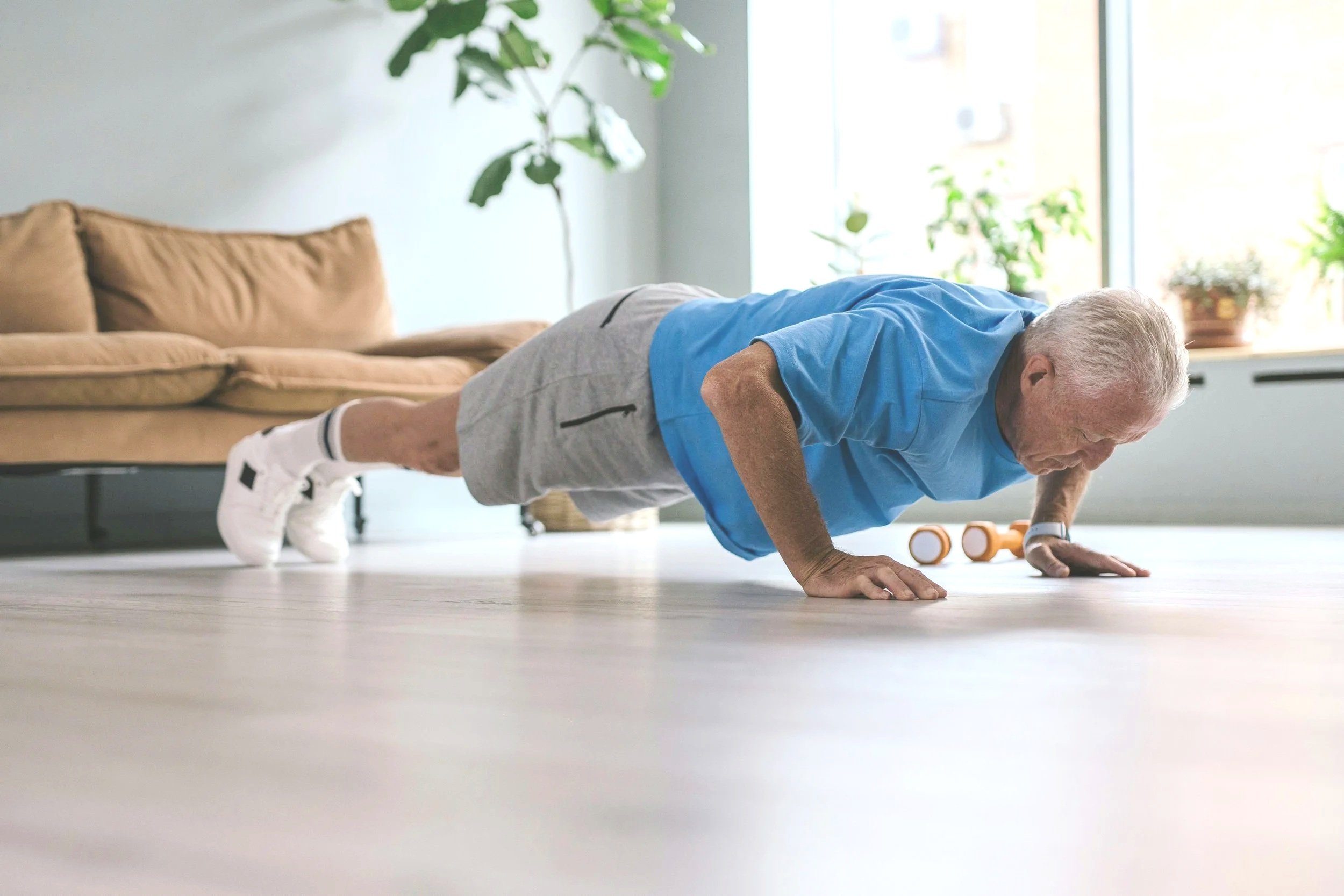
If you can’t quite do a “regular” push-up yet, try them on your knees instead of your toes. Still not quite there? No worries, try incline push-ups on a sturdy counter or even wall push-ups.
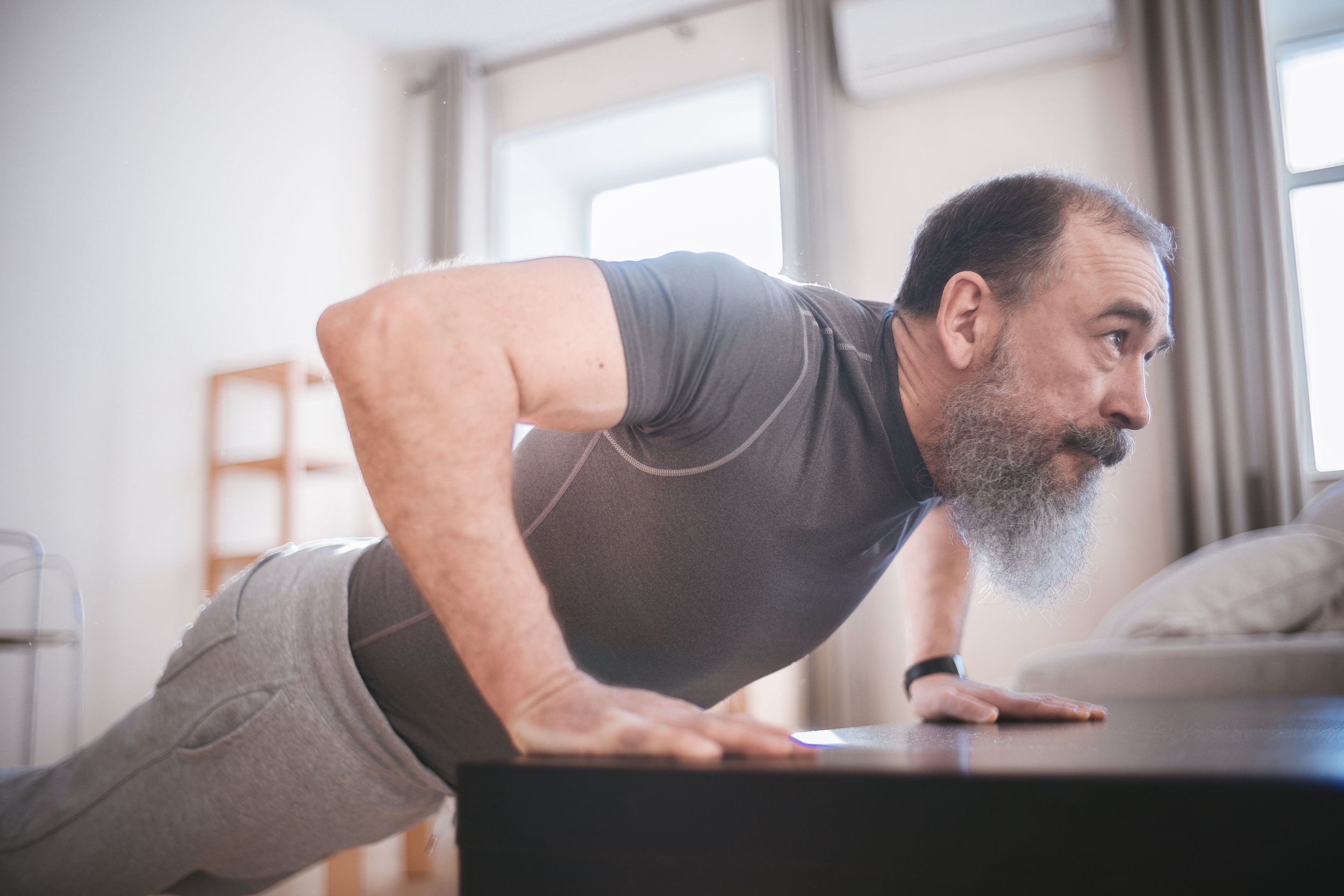
It doesn’t matter what level you’re at; there’s a push-up you can do. Incline push-ups work your lower chest; decline push-ups work the upper part of your chest. If you want to work the chest a little more, widen your hands. Putting your hands a little closer together targets the triceps.
walking
This is an aerobic exercise. Which basically means with oxygen. Aerobic exercise is an amazing tool for overall health, and it helps you lose weight.
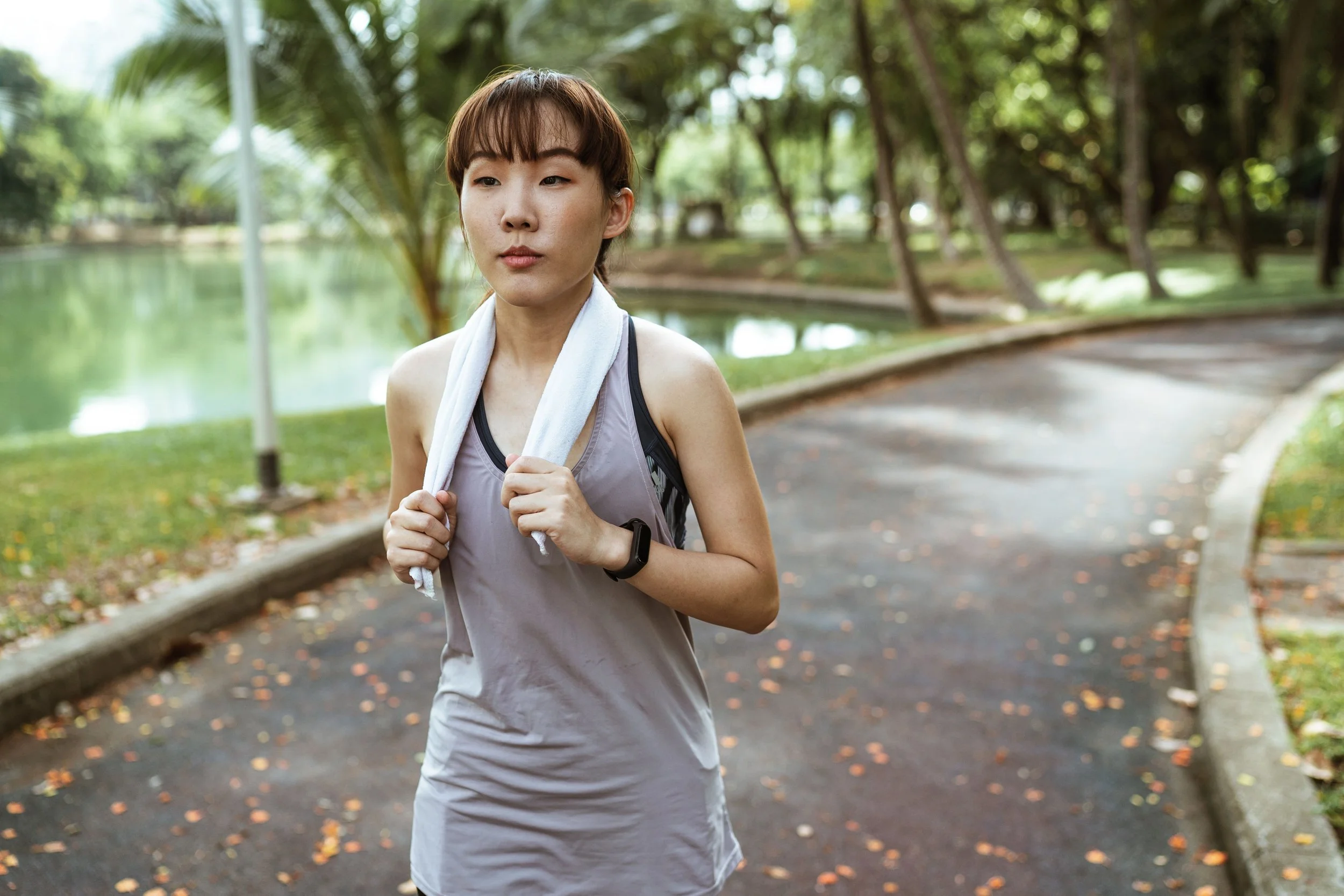
I started walking a few weeks after I began my experiment, partially because my doctor told me it was a good idea, and I was ready to add to my push-up routine.
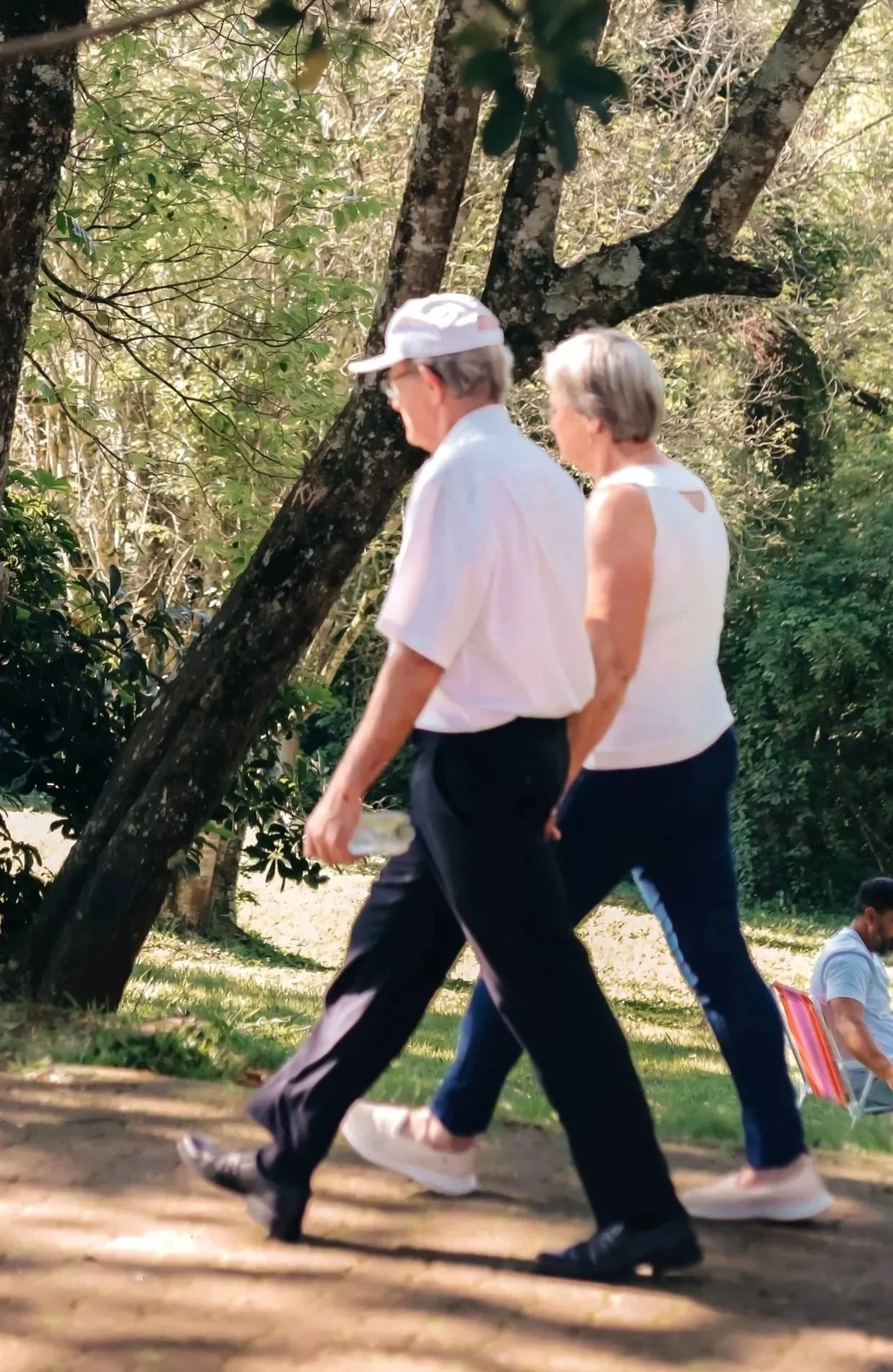
I’ll admit I once thought walking was pretty wimpy. I mean, it’s just walking, right? I quickly realized I was wrong. Depending on how long and how fast you walk, it can be a solid tool in your exercise toolbox, and a pleasant experience to boot.
sit-ups
The abdominals, obliques, and hip flexors are the main muscles being worked here. I’ve found the main ideas here are to make sure you start the movement by engaging your core and keep the core engaged throughout the movement.
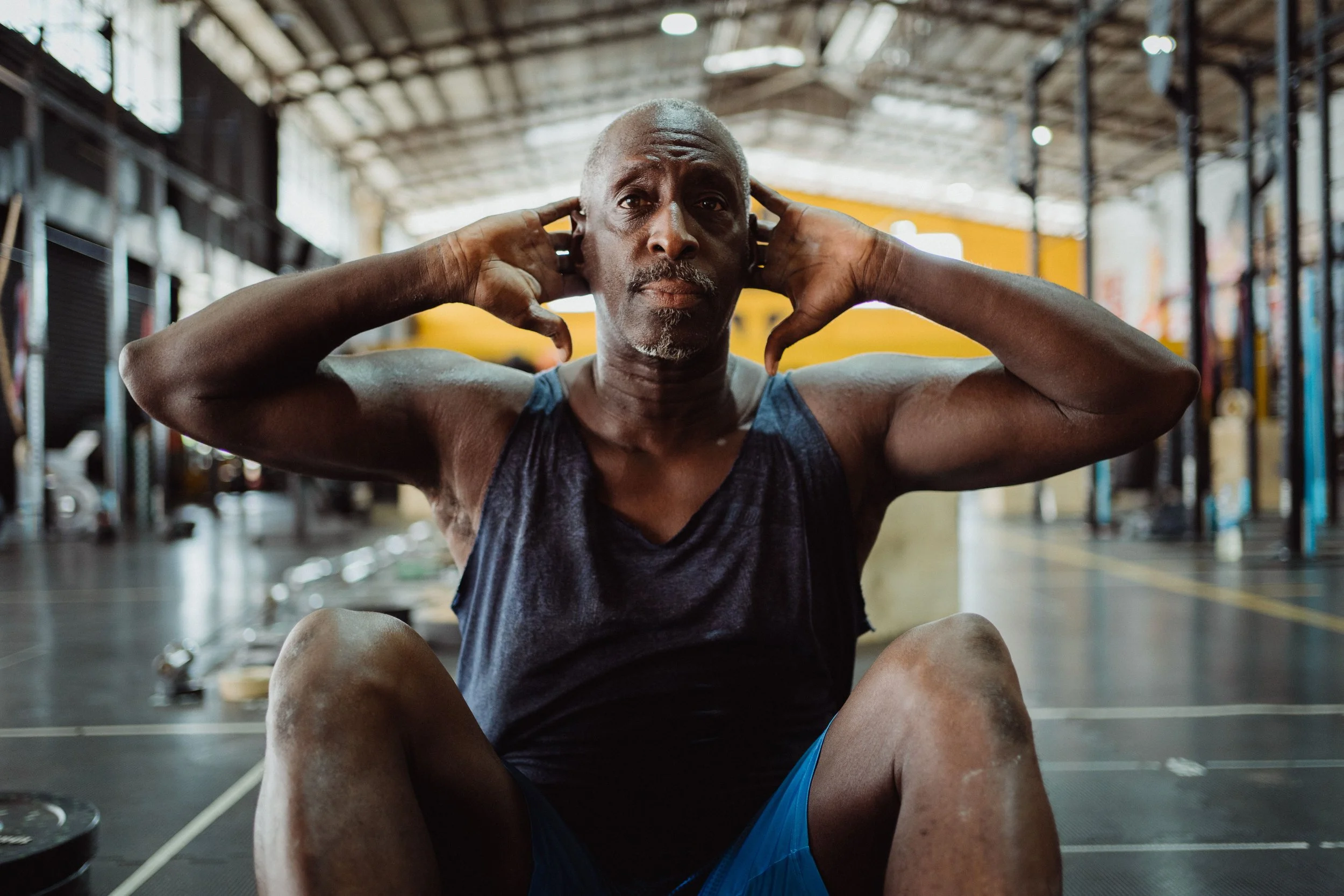
Lie on a soft surface like carpet or a mat. I used to anchor my feet under the couch, but I’ve gotten away from that because it works the hip flexors more than the abdominals. Cross your arms over your chest or keep your hands lightly at your temples (don’t yank).
planks
This exercise is great because, to me, it feels like you’re working on almost everything. I know it’s mainly for your core, but when done correctly, I can feel my whole-body pitching in. If you have bad shoulders, as I do, be careful. It can put a strain on them. Listen to your body; if it hurts, stop.
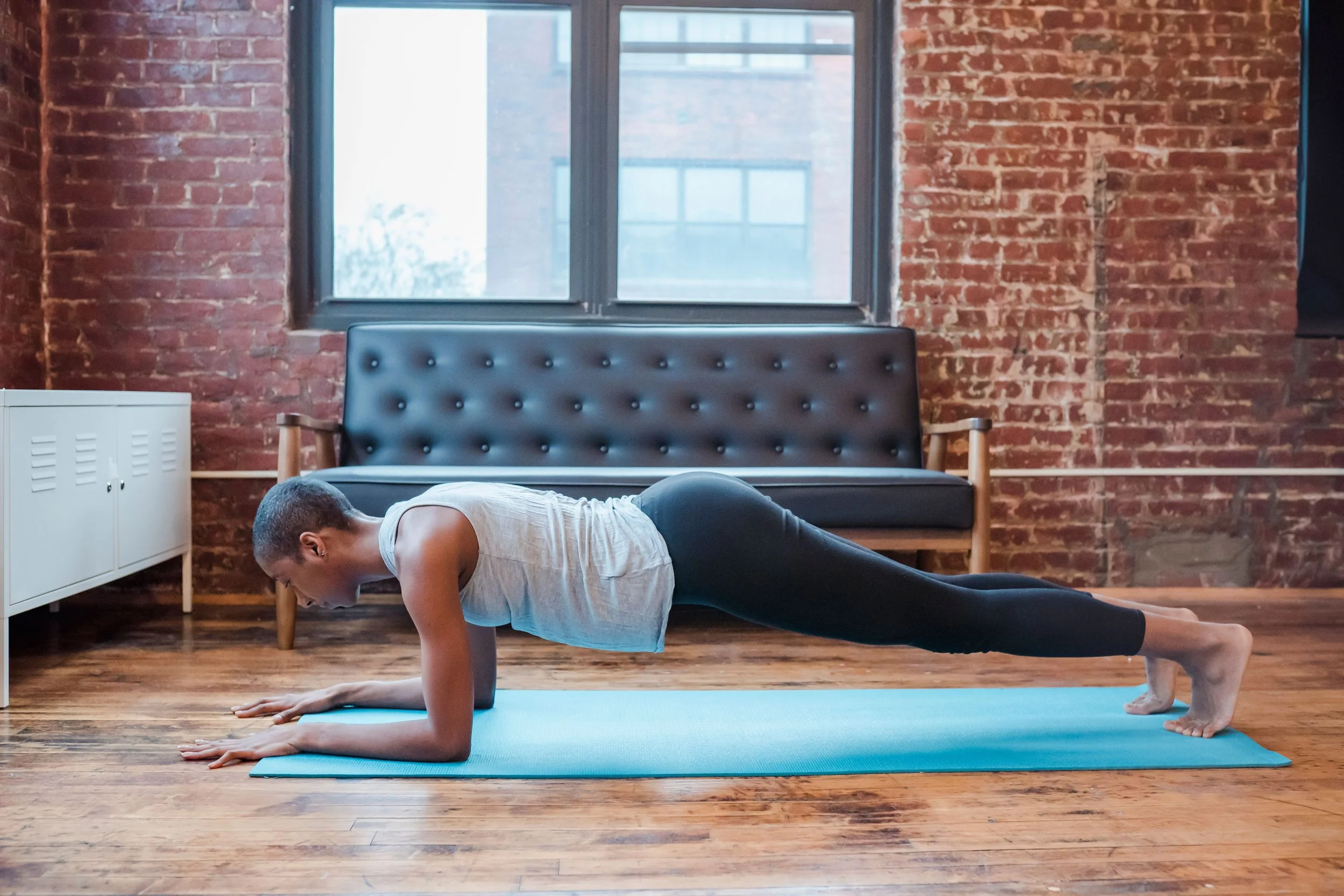
Make sure your head isn’t looking up. Keep everything in a straight line. When you feel your glutes going up or down, it’s time to take a break.
I switch between forearm planks and high planks on my hands. If these are too hard at first, try them on an incline or on your knees. There are other variations for advanced people, but to be honest, I’m not there yet.
bodyweight squats
This exercise was a wake-up call for me. I didn’t realize how weak in the lower body I had gotten until I started doing these. Bodyweight squats hit the quads, glutes, hips, and calves.
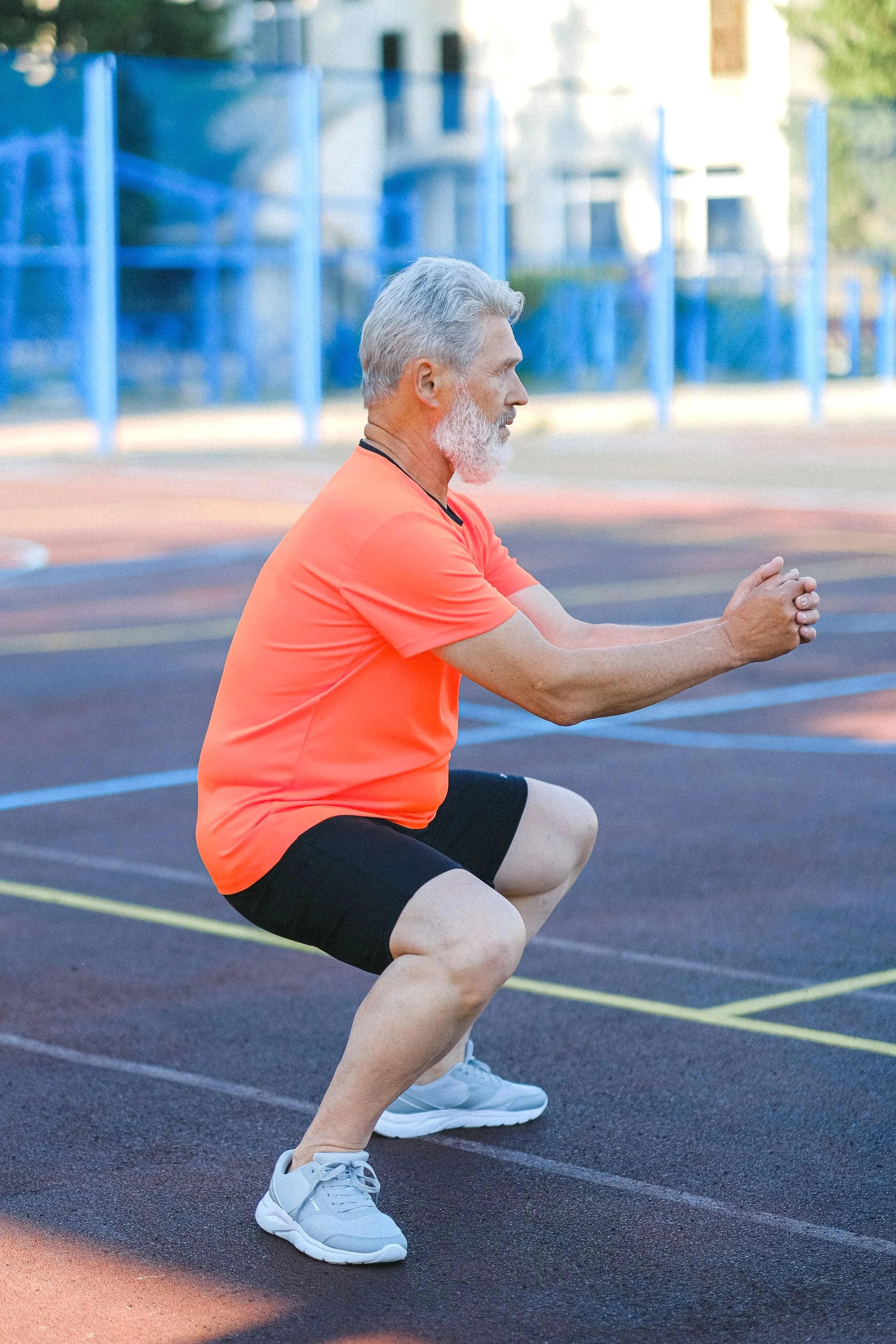
I Stand with my feet about shoulder-width apart and aim to lower until my thighs are parallel to the floor. But if I’m not quite there yet, it’s ok; I just go down as far as I can with good form and control. I always extend my arms straight out to help with balance. Slow and smooth is the way to go. Keep your chest up throughout the movement and keep your knees from going out past your toes.
lunges
I like lunges even more than bodyweight squats because they target the same muscles and really challenge my balance. They also engage the hamstrings. You can step forward or backward on these. I like to step backwards because it puts less stress on my knees.
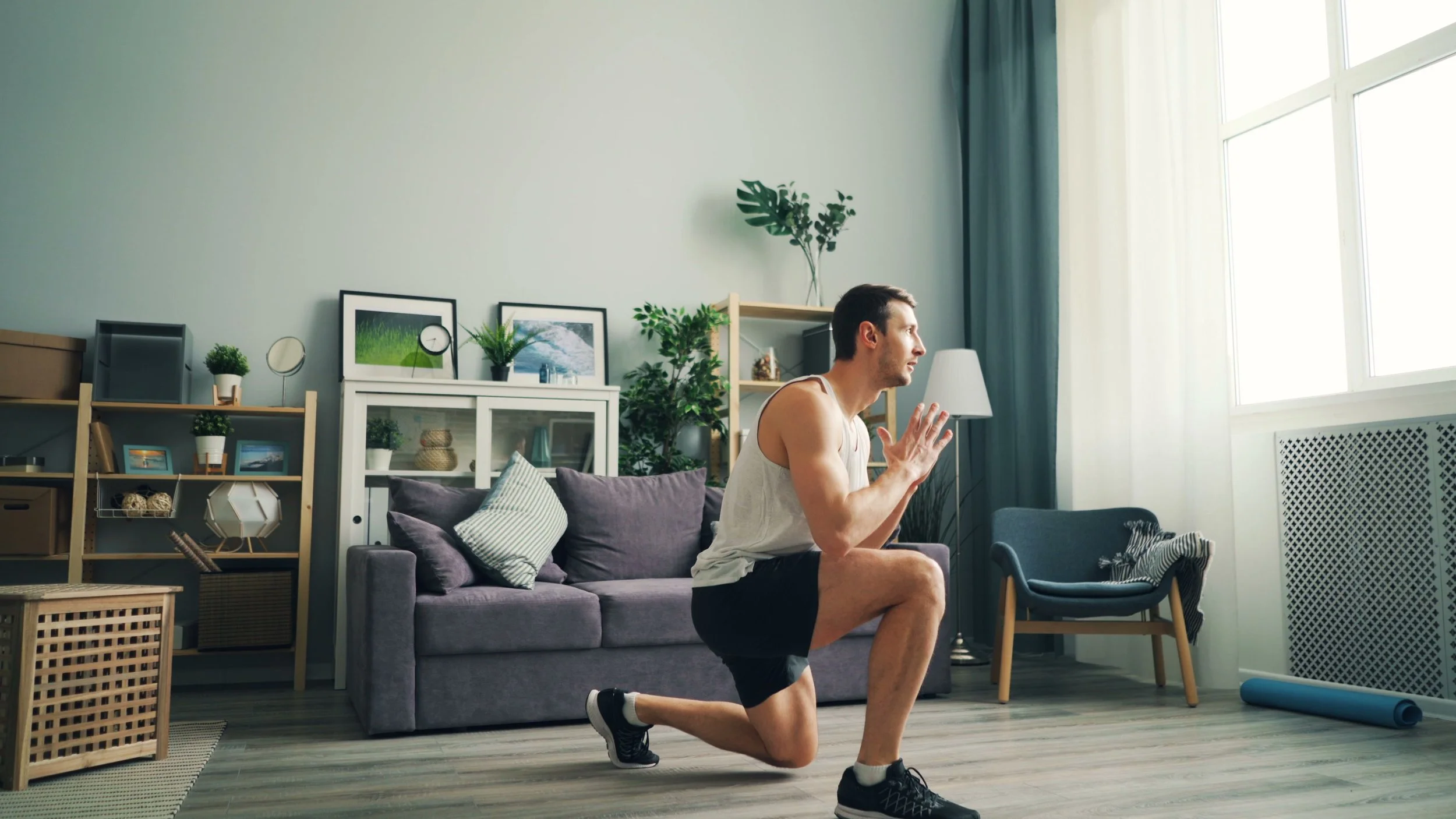
I keep my chest up and use my rear leg for balance. Ideally, the rear knee will touch the floor. But if I’m not there yet, I go down as low as I can smoothly and with control. When I was starting out, I used a nearby chair or couch for balance and support. I watch my front knee to make sure it aligns over the ankle. Remember, slow and steady wins the race.
calves
Calves are one of those muscles that seem to respond pretty quickly to regular training. You can do calf raises on flat ground, but I prefer using a step or a stair because it gives me a much better range of motion.
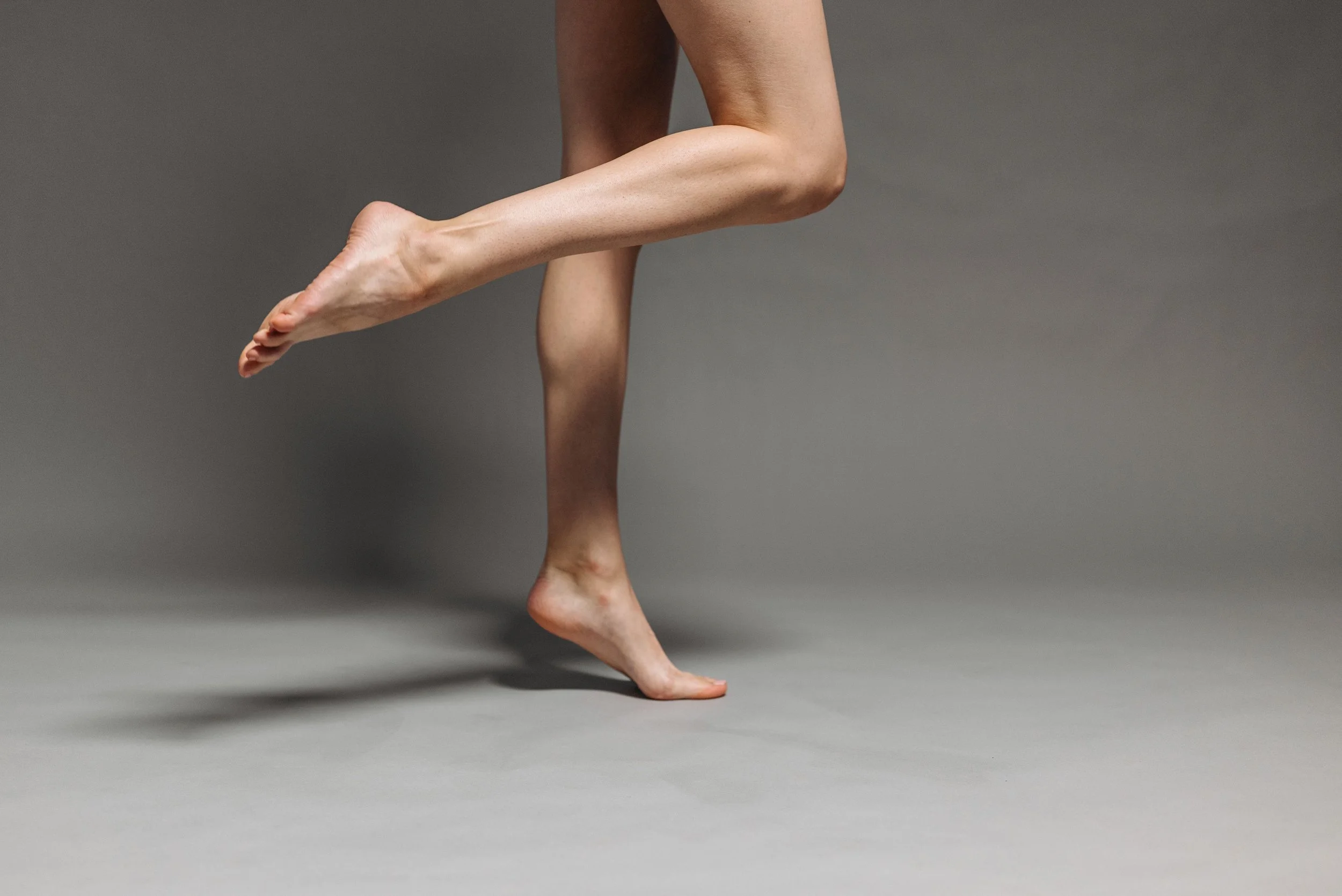
I stand with the ball of one foot on the edge of the step, letting my heel hang off the back. My other foot stays off the step so the working leg does all the work. I like to keep one hand on a wall or railing for balance so I can focus on the movement instead of worrying about staying steady.
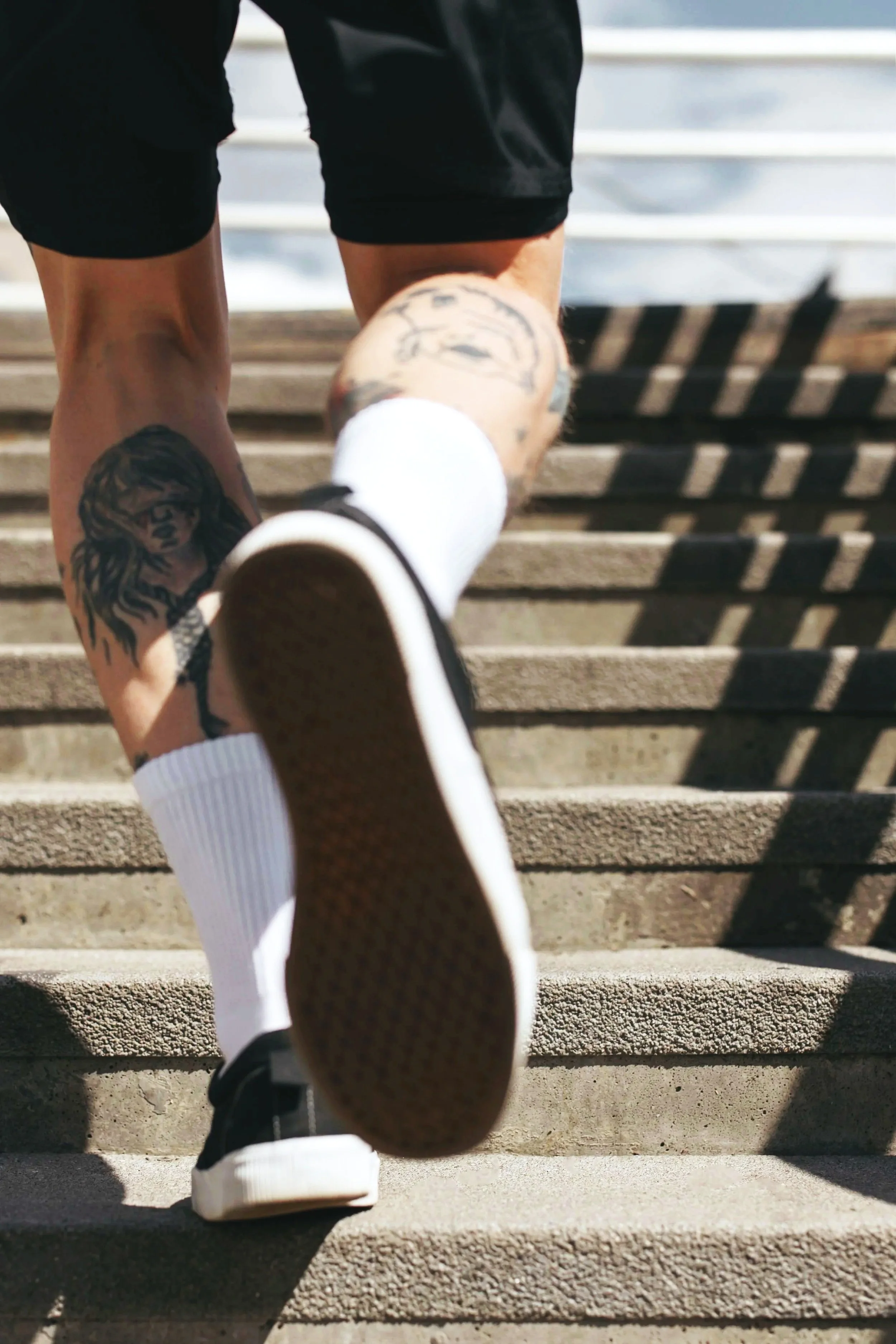
I slowly lower my heel until I feel a gentle stretch in my calf, then I push through the ball of my foot and raise my heel as high as I can. At the top, I give the calf a good squeeze before lowering back down under control. After I finish my reps on one side, I switch legs and do the same thing on the other.
jogging
Jogging is one of those exercises I have to be careful with. I really enjoy this aerobic exercise. It releases endorphins and burns fat, but my knees don’t always love it. Once again, I have to listen to my body. I’ve found that jogging on grass is easier on my joints than on hard surfaces, and running uphill tends to be lower impact too.
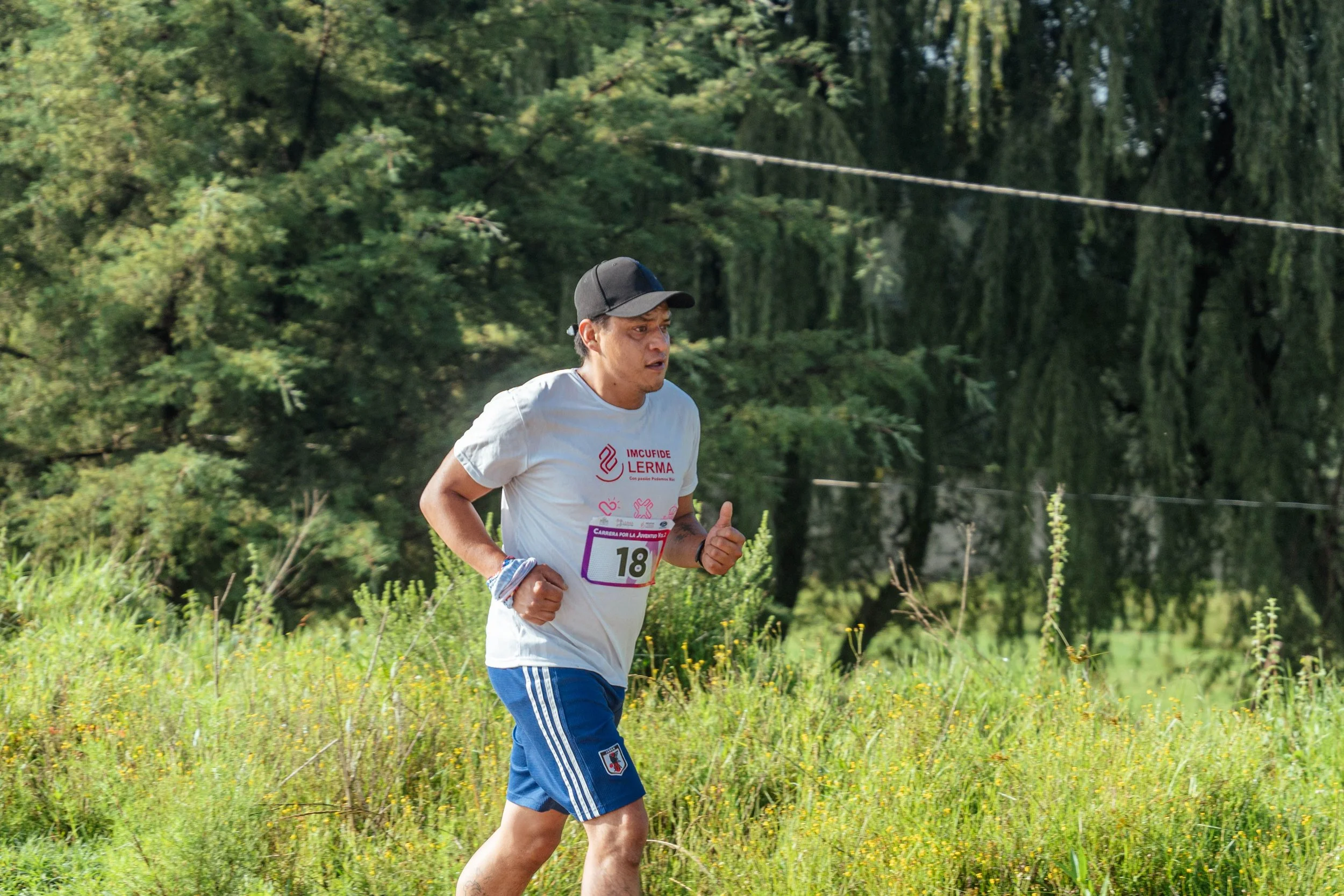
To stay in an aerobic zone (using oxygen for energy), I just make sure I can talk without struggling. When I start to struggle to talk, I know I’m moving into anaerobic territory. There’s nothing wrong with that. Anaerobic work is great for building muscle and can burn calories quickly. It just depends on what I want to do that day.
Examples of aerobic exercise include walking, jogging, and cycling.
Examples of anaerobic exercise include sprinting, heavy weightlifting, and push-ups.
dips
Dips work the triceps, chest, and shoulders. I usually use a couple of chairs and put them against a wall. I’ll also use my kitchen counter or a step. However you decide to do this exercise, it will really tone up and build muscle. I just make sure whatever I use is stable.
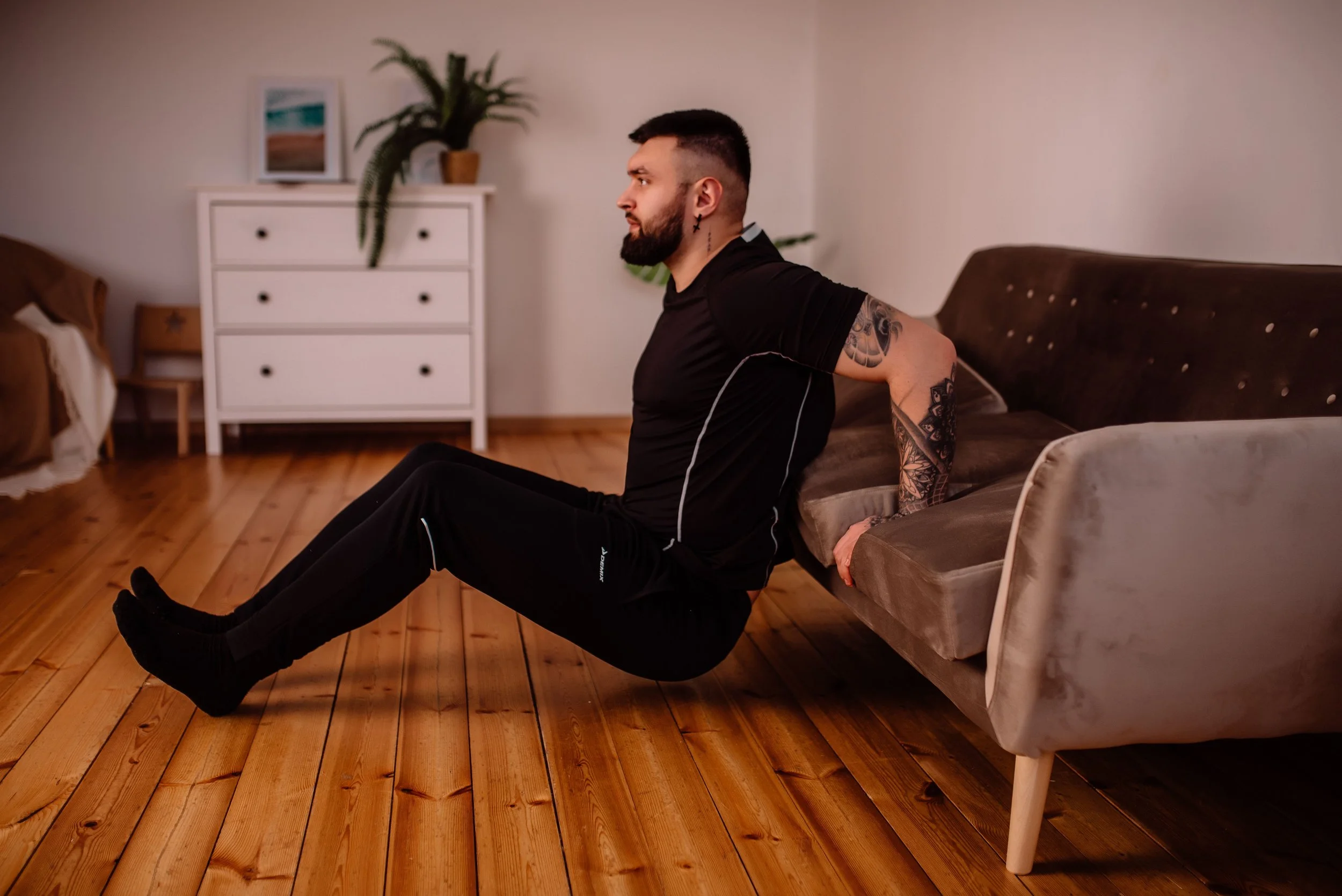
I put my hands behind me with my feet stretched out in front of me and slowly lower my body down until my shoulders are below my elbows. If you can’t go down that far, it’s not a problem. Just go down as far as you can. Then I push myself back up to the starting position.
Remember, slow and smooth is always best. Your triceps will really feel it here. They are the workhorses of the arms. And when they are toned, they look good too.
bicycling
Right now, biking is my favorite. I’ve been wanting to try biking for years, but I didn’t have a bike. My good friend gave me one as a gift. He’s an amazing friend. I absolutely love riding this thing!
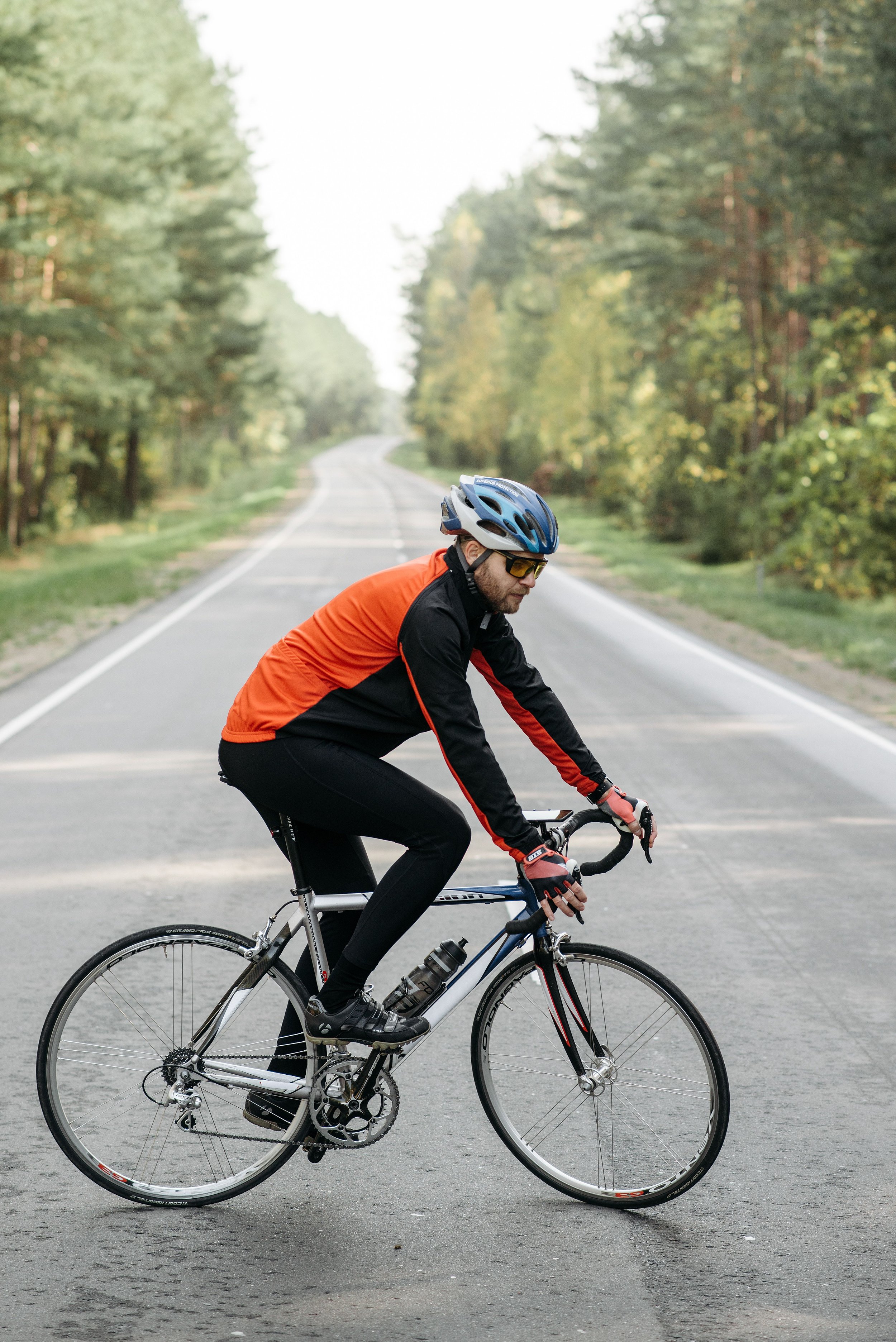
Cycling is an aerobic exercise with low impact on the knees. The leg workout I’m getting is wonderful. And I get that endorphin release I get when I jog without the knee pain. It’s not just legs and cardio, either; I feel my core, shoulders, and triceps working, too. My mood brightens when I ride, and honestly, I feel better than I have in a long time.
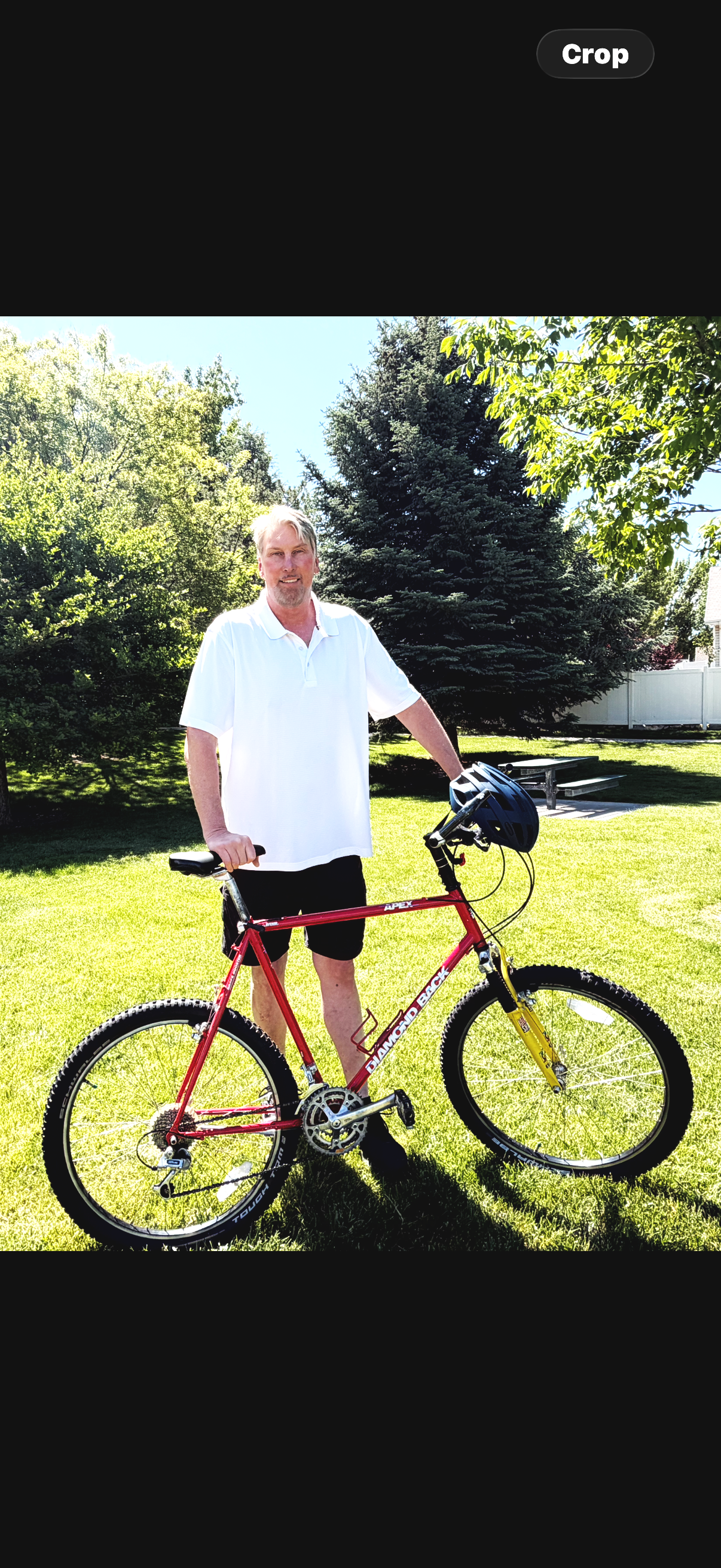
My bike is a mountain bike, which suits me since I need something big and sturdy. At 6'7" and 245 pounds, a smaller bike wouldn’t cut it. But any bike can work as long as it fits you. So grab your helmet, hop on, and have some fun.
Summary
I realize this covers things you’ve probably already heard before. However, I wanted to show you these simple exercises and stretches that I’ve been doing for years so you know some of the things I’ve done to get stronger, healthier, lose weight, and keep it off.
All you need is the willingness to get started and consistency to keep going. Your first two-minute workout could be as memorable as mine, not because of what you’ll do during those two minutes, but because it very well could be the catalyst to a better you.
So I ask you: Are you willing to take a couple of minutes to get started? I sincerely believe if you do, you won’t regret it.